What actually happens
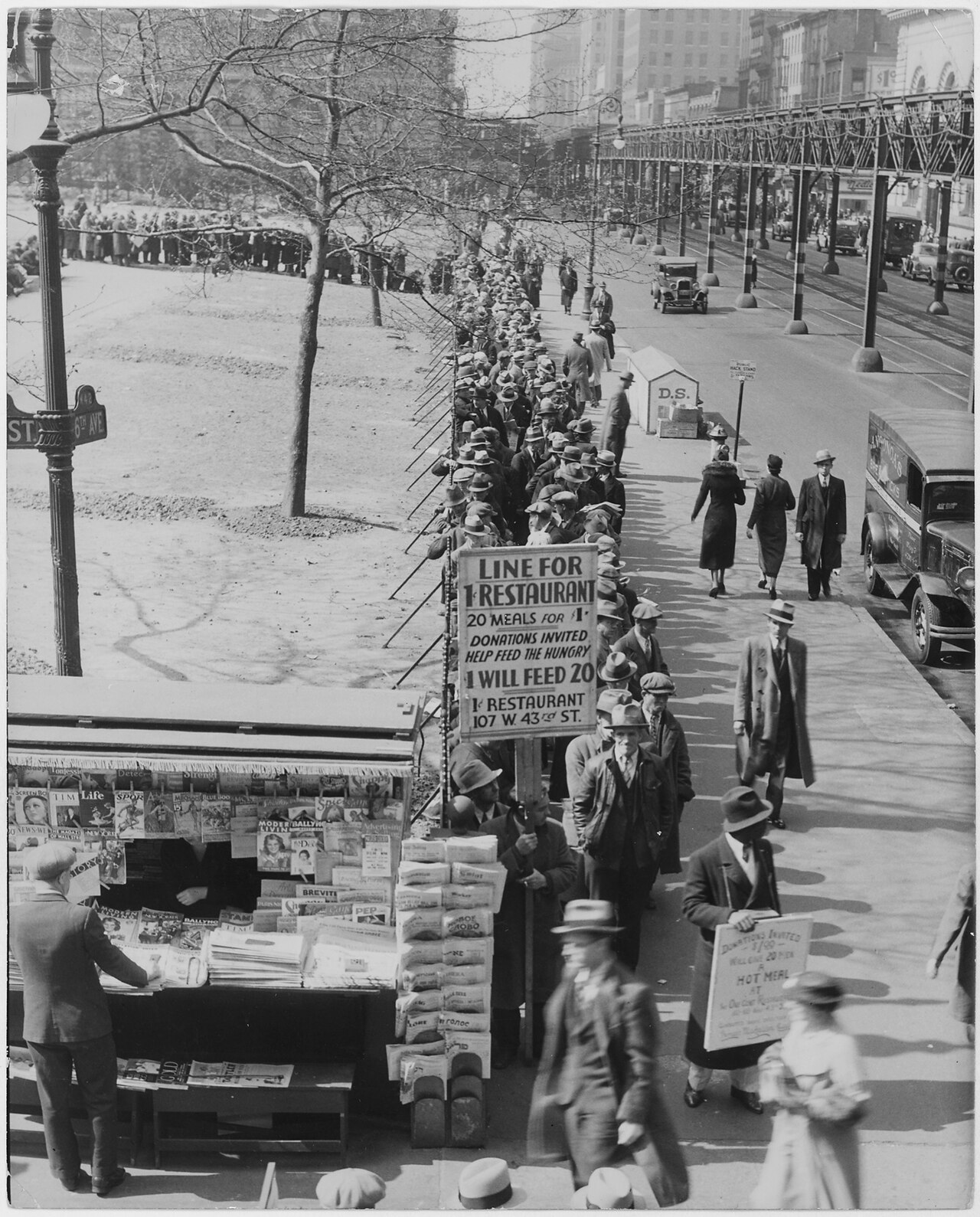
You take a number. The number is the next one out of a real counter, and nobody can be given a better one. The door lets people through at a fixed rate, so the wait you are shown is the arithmetic of how many people are genuinely in front of you, not a timer invented to make you stay.
When your turn comes, the server draws one of twenty endings. Sixty percent of the time it is something completely unremarkable. One percent of the time it is not. The draw happens on the server, after you arrive at the door, and nothing about it can be influenced from the browser.
What there is to win
Nothing. There is no prize, no money, no leaderboard position worth anything and nothing to buy. The Hall of Fame records rare endings because they are rare, not because they are valuable. The mystery is one sentence, found a fragment at a time, and when it is finished it will still be only a sentence.
Why it is built like this
Almost every pointless website is pointless on its own. This one is pointless together: the number in front of you belongs to a real person who is also waiting, the vote in a live event is counted across everybody standing in the line at that moment, and the counters are the real totals from the database rather than a number going up on a timer.
Nothing on this site is faked to look busier than it is. If the queue is empty, it says the queue is empty.
Questions
Can I lose my place? Yes. Ninety seconds without your browser checking in and the place is gone. The line then moves past it without pausing, which is the only reason a few thousand abandoned tabs do not bring the whole thing to a halt.
Can I pay to go first? No, and there is nothing to buy. Every number comes out of the same sequence in the order it was asked for, and no amount of money, refreshing or cleverness changes that.
Are the other people real? Yes. There are no filler numbers and no padded counts. If the line says four hundred and twelve people are waiting, four hundred and twelve browsers are waiting.
Is my wait made up? No. It is your position multiplied by the door’s rhythm, both of which are real and both of which are on the ticket.
Do I need an account? No. Your place lives in one cookie. Your result lives at its own address, so you can keep it, send it to somebody or ignore it.
Can I come back? Yes, as often as you like. You go to the end of the line like everybody else, and your old result keeps its address for as long as this exists.
What happens to my data? One cookie with a random identifier, and a hashed fingerprint of your address and browser used only to stop one person taking a thousand numbers. No email, no profile, no tracking across other sites.
Who made it
Damian Chojna, in Poland, with a small server, a database, and more care than the subject deserves. The engravings and photographs used throughout are public domain or openly licensed, and are credited in the footer.